
Though generative AI and other AI tools have greatly expanded the possibilities for marketing and brand exposure, content created with AI may lack authenticity and fail to connect with your audience in a meaningful way. We use AI to stretch the imagination and create content that is memorable and unique, but we recommend against simply trying to recreate reality.
Like all filmmaking, we want to wow the audience, make them laugh and feel, but when we try to trick the audience, then that’s when we fail to connect. Using AI is not suspension of disbelief – a person watching a movie knows it’s not real, and the filmmaker is not trying to convince viewers that the events in a movie are actually happening, they are simply telling a good story, which suspends their disbelief. You want the audience to be engrossed in the story, not wonder if the story is made with AI.
For this reason, we do not create certain types of marketing videos using AI. These videos include testimonials, important corporate communication, and other videos where authenticity matters.
Brand Micro-documentary Videos
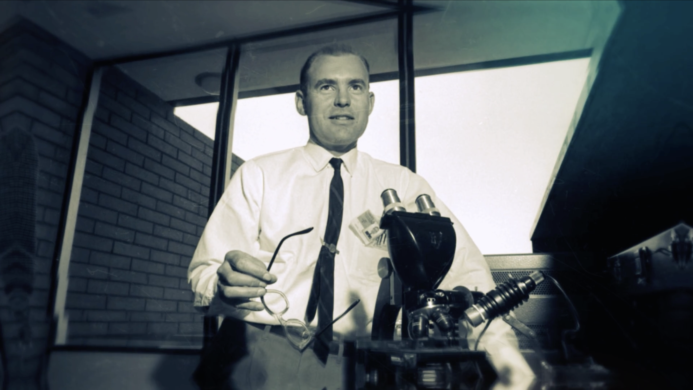
Micro-docs take many forms. We recently produced a series of micro-docs for the Moore Foundation that featured several different stories about the prominent non-profit organization. One video told the story about their founders, Betty and Gordon Moore. Though Intel and Gordon Moore are well-known, the video focused on the couple’s relationship – their life-long love for each other and their commitment to contributing to society. We used AI tools for this video to enhance some of the old photographs and videos, but we primarily focused on interviews and other b-roll footage to tell this story. An emotional story like this needs to be authentic.
We have also produced videos about a brand’s mission and vision. We featured executives and employees discussing their product and manifestos – content like these also benefit from authenticity.
Other types of subjects for micro-docs we produced included political campaigns, family issues, and companies that are making social impact.
Testimonial Videos
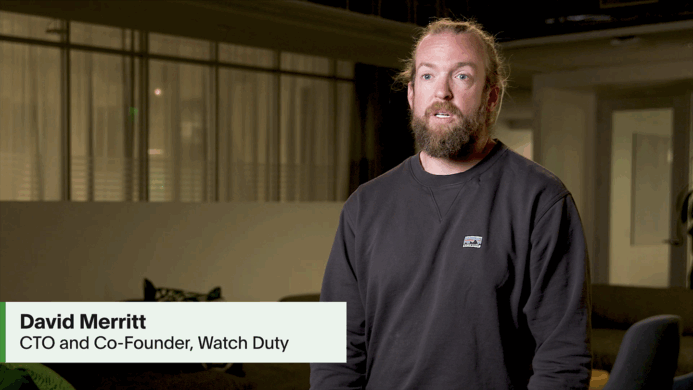
Testimonials have a category of their own, but they are essentially documentaries. Audiences want to connect with real people sharing their experiences. AI can definitely create these testimonials – all it needs is a photograph and a voice sample – but how authentic (and ethical) would that be? Would a potential client trust a brand once he or she discovers that they used AI to create a testimonial (even if the subject gave permission)?
We’ve used AI to create or enhance b-roll on testimonial videos, but we would never use it to recreate, modify or add sound bites to an interview.
Corporate Communication
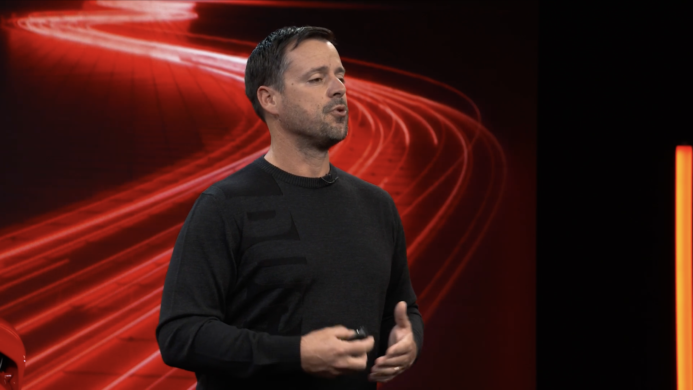
Corporate communication videos are also another form of documentary filmmaking, even if its purpose is simple messaging. If a firm has important information to convey, it should not simply have AI tell it. Whether it’s for a launch event, a roadshow video, an HR update, or other company messaging, it should focus on authenticity. There are obvious budget considerations – corporate events, even online event, are expensive. Executives have busy schedules. But if it’s important to connect with your customers, vendors, dealers, employees and other stakeholders, then authenticity matters.
Though AI tools are budget-friendly and increasingly robust, old-fashioned documentary filmmaking will still be relevant for marketers as long as authenticity is important to the brand.
Contact Picturelab to learn more about our documentary approach to creating marketing content and videos.